.png)
How to choose food packaging: BioBoard vs BioCane

As Autumn approaches and seasonal menus start to change, it’s a great time to revisit takeaway packaging options. From warming lunches to grab-and-go favourites, BioBoard and BioCane both offer great solutions.
But which is the right fit for different food applications?
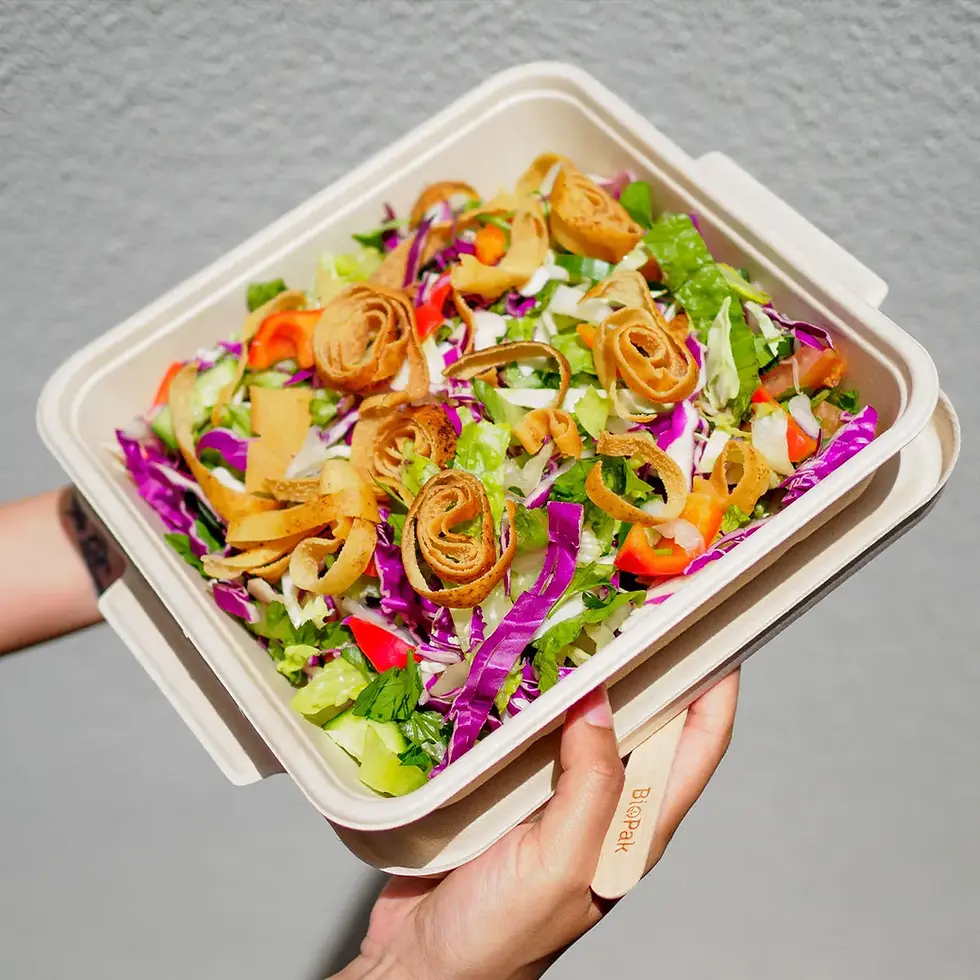
BioCane
Made from sugarcane and plant-based pulp and is home compostable (NF T51-800)
A Plant-Based Alternative to Plastic Packaging
Bagasse (also known as sugarcane pulp) is the fibrous substance that remains after the sugarcane plant is harvested for its juice. Today, we’re able to turn this agricultural byproduct into packaging that looks just like moulded cardboard.
At BioPak, we combine this sugarcane pulp with other plant-based pulp to create what we call ‘plant fibre.’ This creates our BioCane range — an extremely versatile, strong and inexpensive solution. Now supermarket brands and quick service restaurant chains are jumping on board and for good reason.
Plastic Free
Rapidly renewable agricultural byproduct.
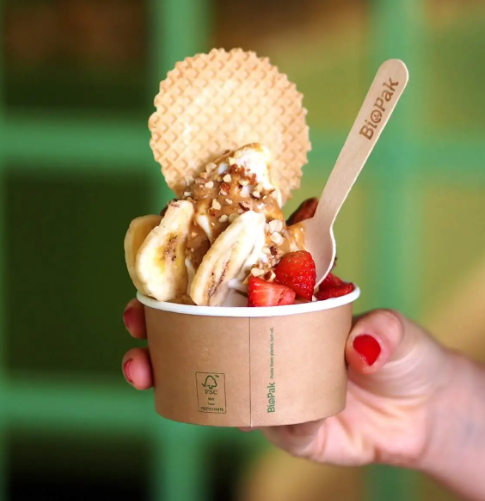
BioBoard
Made from FSC™ certified paper and is industrially compostable (EN13432)
A Responsible Way To Create Paper and Wood Packaging
Ever wondered what the story is behind our wooden cutlery and paper-based packaging?
An FSC™ certification makes sure our wood is sourced from responsibly managed forests – taking into account sustainability measures like water use, energy use, community support and the end product’s overall environmental rating.
FSC™ has had a profound impact on the logging industry both in the UK and around the world
FSC™ also works to address the ecological, social and cultural needs of indigenous communities and workers


Comments